
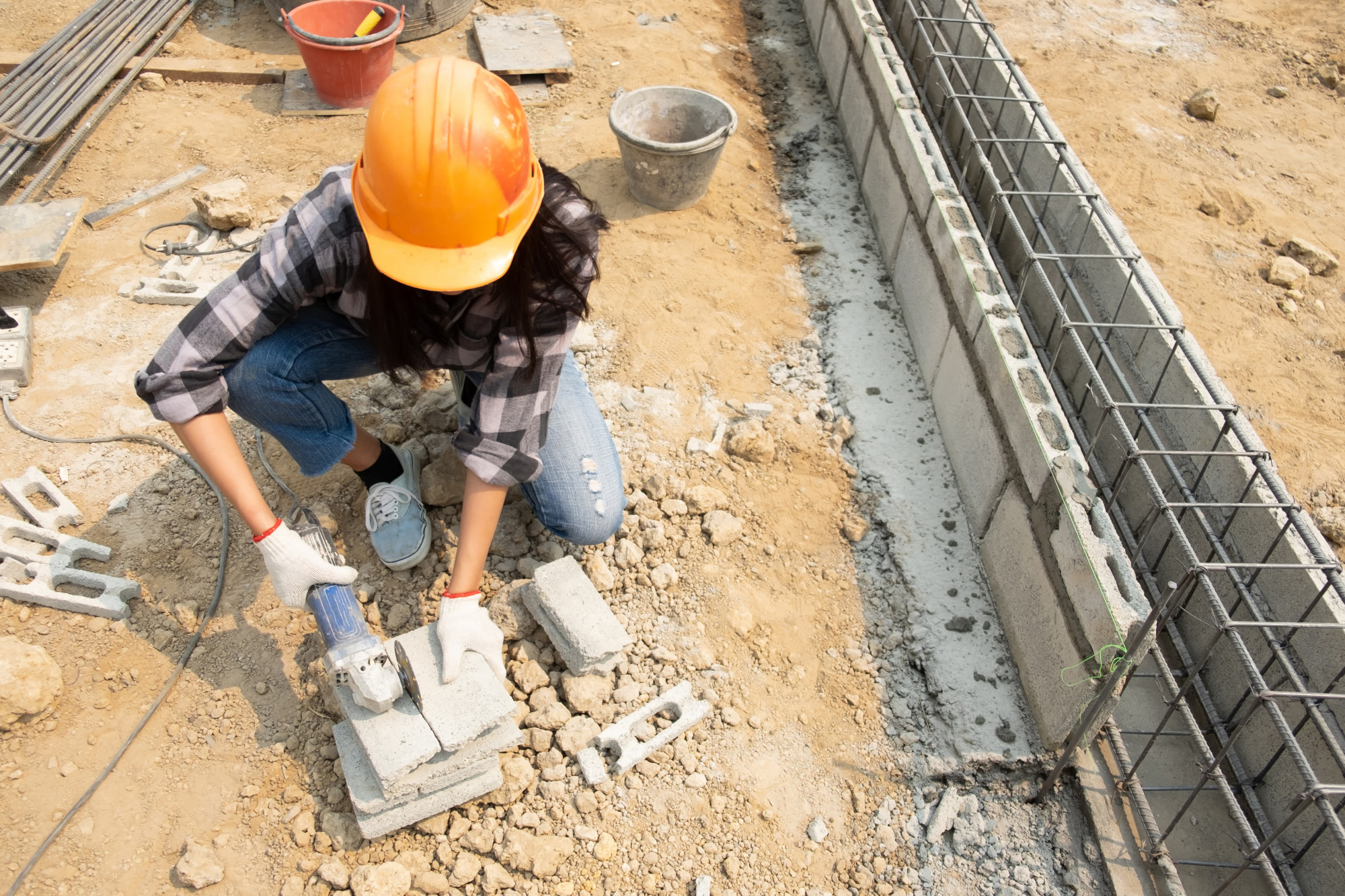
Every phase of a massive construction project hinges on the reliability of the raw materials delivered to the site. Inconsistent masonry can lead to uneven walls and compromised safety. To ensure that every single unit delivered is uniform and exceptionally tough, it is wise to vet and select a top-tier solid block supplier in Dubai. They test the material thoroughly and helps you make an informed decision.
The water absorption test:
A good block should not act like a sponge. In this test, a dry block is weighed and then soaked in water for twenty four hours. After taking it out, it is weighed again to see how much liquid it soaked up. If the weight increases by a large amount, the block is too porous. High water intake can lead to cracks or mold growth inside your walls over time.
The block shape and size check:
Every block in a stack must look exactly the same. You should measure the length, width, and height of several pieces to ensure they match the standard sizes. If the blocks are uneven, the person building the wall will use too much mortar to level them out. Straight edges and flat surfaces make the construction process faster and keep the finished wall looking very neat and professional.
The sound and color test:
You can tell a lot about quality just by using your senses. When you strike two blocks together, they should create a clear ringing sound. A dull thud usually means the mixture was weak or the block has internal cracks. Also, look at the color across the batch. It should be a steady grey without any strange patches.
The hardness and scratch test:
A solid block needs to resist damage from sharp objects or heavy hits. You can test this by trying to make a mark on the surface with a sharp tool or a fingernail. A high quality block is very hard and will not leave a deep scratch or shed lots of dust. If the surface crumbles easily, the block will likely fail under the weight of a heavy roof.
The density test:
The weight of the block tells you how much material is packed inside. Heavy blocks are usually much stronger because they have fewer air pockets. To check this, the volume of the block is compared to its weight. Dense blocks provide better sound proofing and keep the indoor temperature steady.